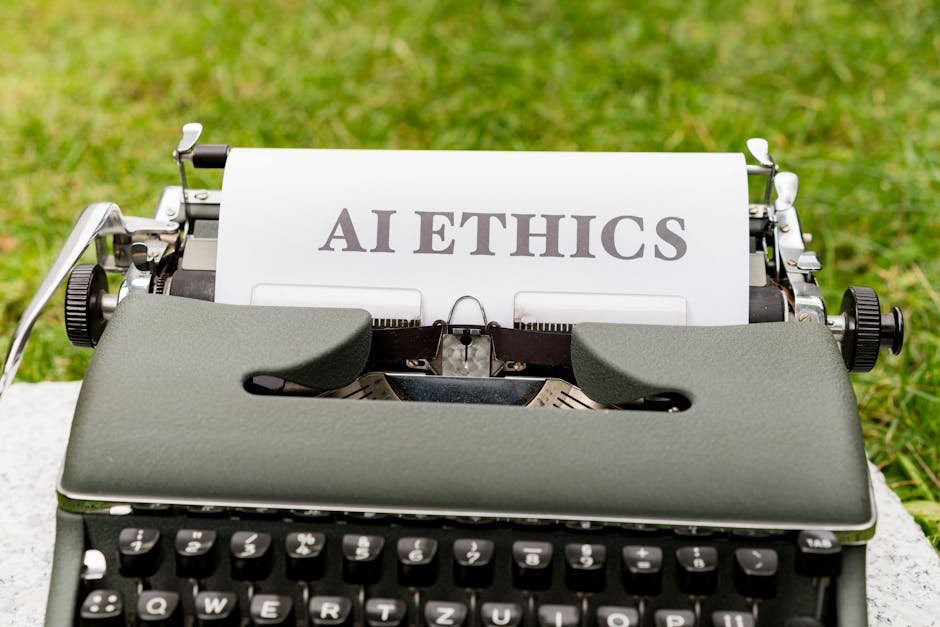
The landscape of work is undergoing a profound transformation, and at the heart of this evolution lies artificial intelligence. Far from being a futuristic concept, AI is already an integral part of countless tools and platforms we use daily, quietly revolutionizing how we approach tasks and manage our time. Its primary promise in the realm of workflow productivity is to augment human capabilities, allowing us to achieve more with greater efficiency and less friction.
Consider the pervasive challenge of information overload. AI-powered tools can intelligently filter emails, prioritize messages, and even draft responses based on context, significantly reducing the time spent on administrative communication. Similarly, scheduling assistants can coordinate complex meetings across multiple calendars with minimal human input, eliminating the back-and-forth typically associated with finding a suitable time slot. These seemingly small efficiencies accumulate, freeing up valuable cognitive resources for more strategic work.
Beyond individual tasks, AI excels at streamlining entire processes. Robotic Process Automation, a subset of AI, can automate repetitive, rule-based operations like data entry, invoice processing, or onboarding procedures. This not only accelerates these functions but also drastically reduces the potential for human error, leading to higher quality outputs and fewer corrective actions. The human workforce is then liberated from monotonous chores, allowing them to focus on creative problem-solving, innovation, and client engagement.
Furthermore, AI’s capacity for data analysis is unparalleled. It can sift through massive datasets in mere seconds, identifying trends, anomalies, and insights that would take human analysts weeks or even months to uncover. This capability empowers better, faster decision-making across all levels of an organization, from marketing strategies informed by predictive analytics to operational adjustments based on real-time performance metrics. The result is a more agile and responsive workflow that can adapt quickly to changing circumstances.
AI also brings a new level of personalization to our workflows. Adaptive learning algorithms can tailor software interfaces, suggest relevant resources, or recommend next steps based on an individual's past behavior and preferences. This creates a more intuitive and less frustrating user experience, reducing the learning curve for new tools and ensuring that employees have immediate access to the information and functionalities they need, when they need them.
Naturally, discussions around AI often raise questions about its impact on human roles. However, the focus of AI for workflow productivity is not on replacing human workers but on augmenting their abilities. It acts as a powerful co-pilot, handling the mundane and analytical heavy lifting, thereby enhancing human creativity, critical thinking, and interpersonal skills. Embracing AI means empowering employees to perform at their best, focusing on tasks that truly require human judgment and empathy.
In conclusion, the integration of AI into our daily workflows is not merely a technological upgrade; it is a fundamental shift towards a more intelligent, efficient, and ultimately more productive way of working. By automating routine tasks, providing rapid insights, and personalizing experiences, AI empowers individuals and organizations to unlock new levels of potential. Embracing this transformative technology is key to navigating the complexities of the modern world and building a future where human ingenuity can truly flourish.