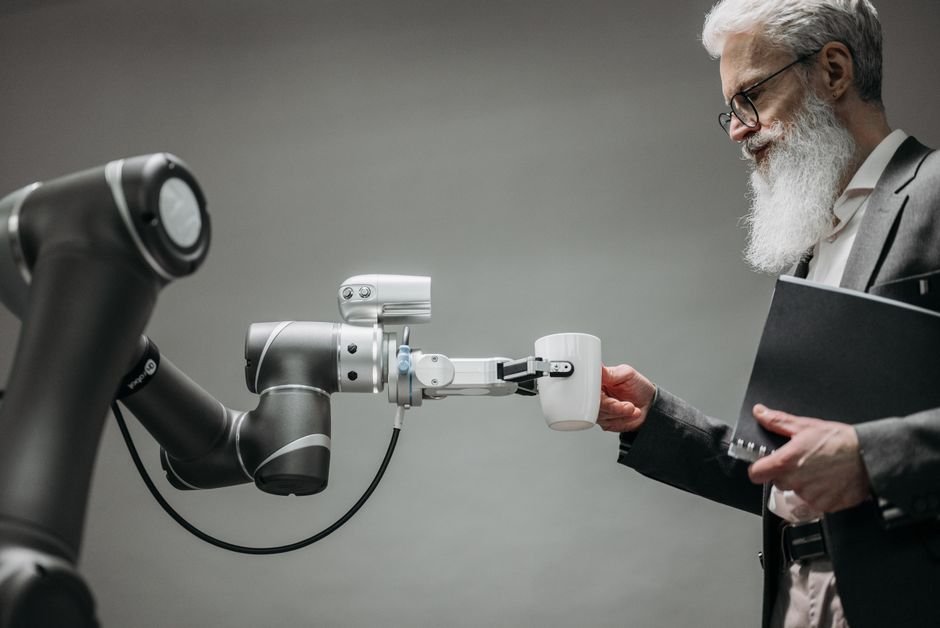
Forget the dystopian future where robots take over the world; the real revolution is happening quietly in our daily workflows. Artificial intelligence, once a concept confined to science fiction, is rapidly becoming an indispensable ally in boosting productivity, transforming tedious tasks into streamlined processes. It's no longer about fancy algorithms in a lab, but practical tools that are changing how we manage our time and energy, making our work lives surprisingly less stressful.
One of AI's most immediate impacts on productivity is its ability to automate repetitive and time-consuming tasks. Think about the hours spent on data entry, scheduling meetings, categorizing emails, or generating routine reports. AI-powered tools can handle these monotonous activities with remarkable speed and accuracy, freeing up valuable human capital. This means less time staring blankly at spreadsheets and more time engaging with the creative or strategic aspects of your job.
Beyond simple automation, AI excels at sifting through vast amounts of information to provide actionable insights. For businesses and individuals alike, making informed decisions is crucial, but manual data analysis can be overwhelming. AI tools can quickly identify trends, predict outcomes, and highlight critical data points that might otherwise be missed, empowering users to make smarter choices faster than ever before.
AI also acts as an intelligent assistant, enhancing communication and content creation. From sophisticated grammar and style checkers that refine your writing to tools that summarize lengthy documents or transcribe meeting notes, AI is designed to make your output clearer and more efficient. Some platforms can even help draft initial content, brainstorm ideas, or personalize customer interactions, significantly cutting down on the time spent on these essential tasks.
The cumulative effect of these AI applications is a significant boost in overall efficiency and output quality. By delegating the grunt work and analytical heavy lifting to AI, individuals and teams can reduce errors, accelerate project timelines, and allocate their focus to higher-value activities that truly require human creativity, critical thinking, and emotional intelligence. This shift not only improves productivity but also fosters a more engaging and less draining work environment.
Integrating AI into your workflow doesn't require a complete overhaul of your existing systems. The best approach is often to start small. Identify specific pain points or recurring tasks that consume a disproportionate amount of your time or energy. Then, explore user-friendly AI tools designed to address those particular challenges, gradually incorporating them into your routine rather than attempting a massive, disruptive transformation.
While the idea of AI might seem complex, many of today's productivity-enhancing tools are designed with accessibility in mind, requiring minimal technical expertise to get started. The goal isn't to replace human intelligence but to augment it, providing a powerful co-pilot that handles the mundane so you can concentrate on innovation, problem-solving, and the unique contributions only a human can make.
Ultimately, AI for workflow productivity is about empowering us to work smarter, not harder. It’s about reclaiming time, reducing mental fatigue, and elevating the quality of our output across the board. As these technologies continue to evolve, embracing AI will become less of an option and more of a necessity for anyone looking to thrive in an increasingly fast-paced and data-driven world, leaving more room for actual human brilliance.