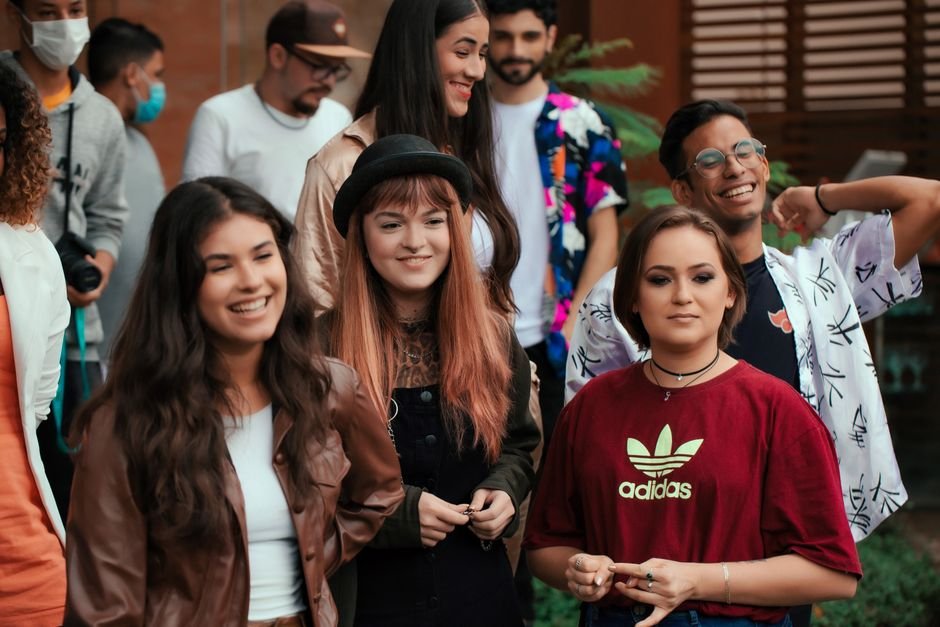
In an era where information moves at lightspeed, Gen Z isn’t just passively consuming news; we’re actively shaping how it’s delivered, discussed, and understood. Forget the traditional evening broadcasts or morning papers; our news cycle is a constant, dynamic stream, accessible right from our pockets. Staying informed isn’t just about knowing what’s happening; it’s about understanding the context, the impact, and how it relates to our world, our values, and our future. We’re not just reading the headlines; we’re diving deep, reacting, and creating conversations that matter.
Our news feeds look a lot different from previous generations. TikTok isn’t just for dance challenges; it’s a primary source for breaking stories, explained in 60-second bursts by creators we trust. Instagram carousels distill complex issues into digestible slides, while Twitter (or X, whatever you call it these days) remains a real-time pulse on global events. Discord servers become spaces for nuanced discussions, and Reddit threads offer diverse perspectives on everything from crypto to climate policy. It’s about visual, short-form content that fits seamlessly into our daily scroll, often delivered by peers or relatable figures rather than suit-and-tie anchors.
What truly resonates with Gen Z in the news? Climate change isn’t just a headline; it’s a lived reality and a call to action. Social justice movements, mental health awareness, and economic shifts impacting student debt or housing affordability are front and center. We’re also deeply invested in tech innovations, pop culture moments that reflect our values, and global events that directly or indirectly shape our interconnected world. We seek news that validates our experiences, challenges the status quo, and provides pathways for engagement, rather than just reports from a distant, detached perspective.
Of course, navigating this information landscape isn’t without its hurdles. The sheer volume of content can lead to burnout, and the lines between fact and fiction can often blur. Misinformation and disinformation spread rapidly through our feeds, making critical thinking more crucial than ever. We’re constantly flexing our media literacy muscles, cross-referencing sources, and questioning narratives. It’s a constant vibe check on what’s real, what’s biased, and what’s just plain clickbait. We know the importance of digging deeper than the surface-level scroll.
For Gen Z, news isn’t just information; it’s often a catalyst for action. When we learn about injustices, environmental crises, or political decisions, it fuels our desire to make a difference. This translates into active participation: signing petitions, sharing informative content, organizing protests, supporting ethical brands, or casting our votes with informed intent. Our news consumption often leads directly to advocacy, community organizing, and a collective push for progress. We believe in using our platforms, no matter how small, to amplify voices and drive change.
Looking ahead, the evolution of news for Gen Z shows no signs of slowing down. We’re seeing more personalized news feeds, AI-curated content that understands our specific interests, and interactive experiences that move beyond passive consumption. The creator economy will likely continue to play a massive role, with trusted voices delivering niche news and analysis. Citizen journalism, empowered by accessible technology, will further democratize information sharing. The future of news is dynamic, personalized, and deeply integrated into our digital lives.
Ultimately, Gen Z’s relationship with news is multifaceted and deeply personal. We’re not just consumers; we’re curators, critics, and often, creators of the narratives that shape our world. Staying informed is a non-negotiable, but it’s done on our terms, through our preferred channels, and with a keen eye for authenticity and impact. So keep scrolling, keep questioning, and keep using that information to empower yourselves and drive the conversations that truly matter. Your daily dose of news is more than just updates; it’s a roadmap for navigating and influencing the world around you.