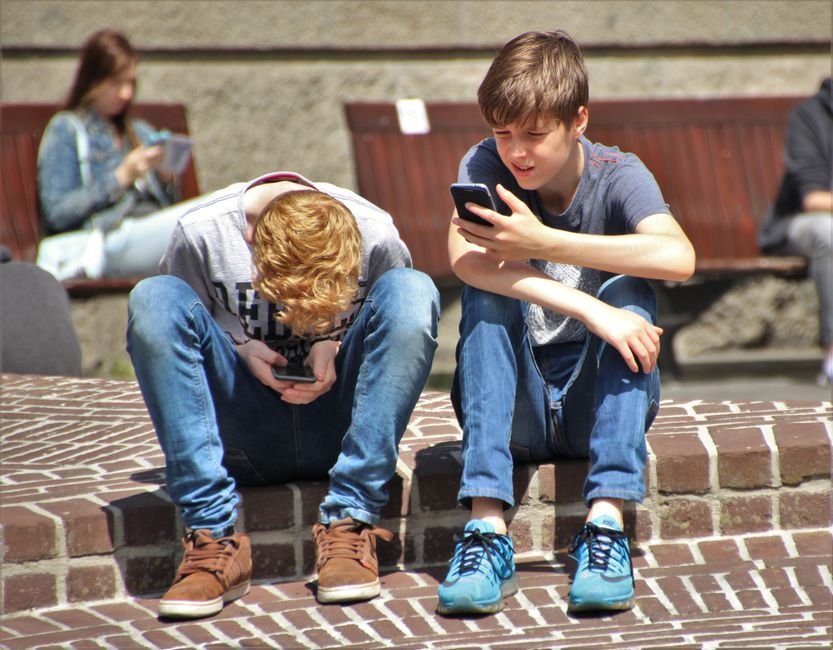
We are Gen Z, the generation born roughly between the mid-1990s and the early 2010s, and we’re often characterized by our digital fluency and a deep sense of global awareness. Unlike previous generations who adopted technology, we were born into a world already saturated with smartphones, social media, and instant information. This isn't just a minor detail; it fundamentally shapes our perspectives, our communication styles, and our expectations for the world around us, making us distinct in many powerful ways.
Our relationship with technology is perhaps our most defining trait. We are true digital natives, adept at navigating complex online spaces, discerning information and misinformation at lightning speed, and using platforms not just for entertainment, but for learning, activism, and building communities. From TikTok trends to Discord servers, our social lives and even our professional networks are intricately woven into the fabric of the internet, creating a unique blend of virtual and real-world experiences.
Beyond the screens, Gen Z is characterized by an unwavering commitment to social justice and authenticity. We are deeply conscious of global issues, from climate change and human rights to mental health advocacy and systemic inequality. We don't just passively consume news; we actively engage, share our perspectives, and demand accountability from institutions and leaders. This isn't about performative activism; it's a genuine desire to create a more equitable and sustainable future for everyone.
When it comes to our careers and the future of work, we're rewriting the rulebook. The traditional 9-to-5, corporate ladder climb often doesn't resonate with us. We prioritize purpose, flexibility, and a healthy work-life balance, often seeking out roles that align with our values or opting for entrepreneurial ventures and the gig economy. The idea of a "side hustle" isn't a novelty; it's often a core part of our financial strategy and a way to explore multiple passions simultaneously.
Mental health is another area where Gen Z has sparked a significant cultural shift. We are far more open and candid about our struggles with anxiety, depression, and burnout, actively working to destigmatize these conversations. This openness fosters a more supportive environment, encouraging peers to seek help and creating a collective understanding that it's okay not to be okay. Authenticity online and offline is paramount, rejecting curated perfection in favor of genuine self-expression.
Of course, being Gen Z isn't without its challenges. We're often bombarded with information overload, facing immense pressure to constantly achieve, compare ourselves to others online, and navigate an increasingly uncertain economic landscape. Critics might label us as entitled or overly sensitive, but these perceptions often miss the underlying drive for fairness, efficiency, and a desire for a world that simply makes more sense than the one we inherited. We're not just complaining; we're seeking solutions.
So, as we continue to define and redefine what it means to be Gen Z, let's embrace our unique strengths: our adaptability, our empathy, our digital prowess, and our unwavering commitment to making a positive impact. We are a generation that doesn't shy away from difficult conversations or systemic challenges. Instead, we face them head-on, armed with creativity, collaboration, and a collective voice ready to shape the future in ways that are truly innovative and inclusive. We're not just the future; we're the now.