We live in an era where artificial intelligence is moving beyond mere computation to becoming truly “agentic” – systems capable of understanding goals, making decisions, and acting autonomously. This shift introduces a fascinating dimension: how these agents operate and evolve over time. “Agentic time” refers to the continuous, proactive, and adaptive way these intelligent entities engage with the world, learning from past interactions and anticipating future needs. It’s about more than just automation; it’s about intelligent systems that manage and optimize processes dynamically, making our lives more efficient and responsive.
One of the most visible applications of agentic time is in personalized assistance and smart environments. Imagine an AI agent that doesn’t just respond to commands but proactively manages your calendar, optimizes your energy consumption based on your habits and weather forecasts, or even reorders groceries before you realize you’re low. In smart homes and cities, agents learn patterns of traffic, energy usage, and human movement over time to create more sustainable and comfortable living spaces, anticipating needs rather than simply reacting to them.
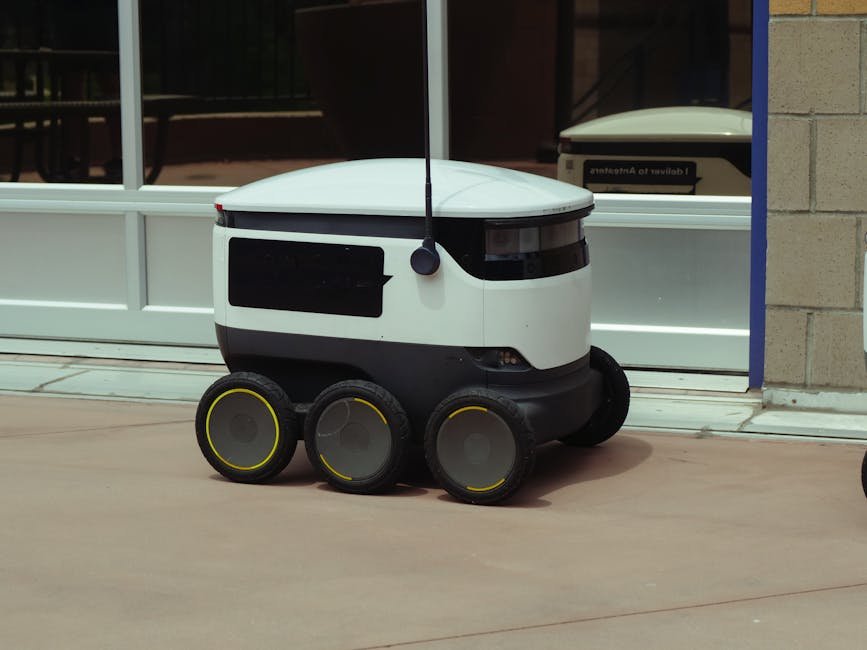
In industrial settings, agentic systems are revolutionizing automation and logistics. Autonomous robots on factory floors can adapt their routes and tasks in real-time based on production demands and unforeseen obstacles, optimizing workflows continuously. In supply chains, intelligent agents monitor global events, predict disruptions, and dynamically reroute shipments or adjust inventory levels to minimize delays and costs. These agents operate within complex, time-sensitive environments, making critical decisions that impact efficiency and profitability around the clock.
The application of agentic time extends profoundly into healthcare and scientific discovery. In medicine, AI agents can monitor patient vitals continuously, predict potential health crises, and even tailor treatment plans that adapt to a patient’s evolving condition over time. For researchers, agentic systems can autonomously design and execute experiments, analyze vast datasets, and even formulate new hypotheses, dramatically accelerating the pace of scientific breakthroughs by managing complex, multi-stage processes efficiently.
Beyond these specific sectors, agentic time is also transforming areas like financial trading, where AI agents execute complex strategies based on real-time market fluctuations, and cybersecurity, where agents continuously monitor networks for threats and respond autonomously to neutralize them. These applications highlight the ability of agentic systems to operate effectively in highly dynamic and unpredictable environments, where timely and intelligent action is paramount.
The concept of “agentic time” underscores a fundamental shift in how we interact with technology. It highlights the transition from passive tools to proactive, intelligent partners that operate with a sense of continuous purpose and adaptation. As these applications continue to mature, we can expect to see even more sophisticated agents transforming every facet of our lives, from personal productivity and urban planning to industrial efficiency and the frontiers of human knowledge, ushering in an era of unprecedented autonomy and intelligent responsiveness.